
宋朱熹易繫辭 冊
Commentary on the Book of Changes
法書
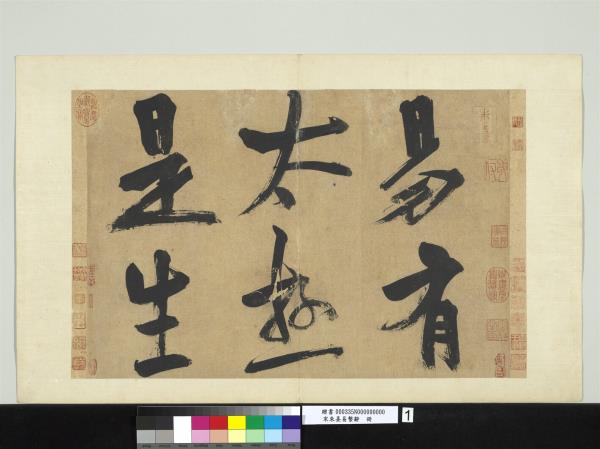
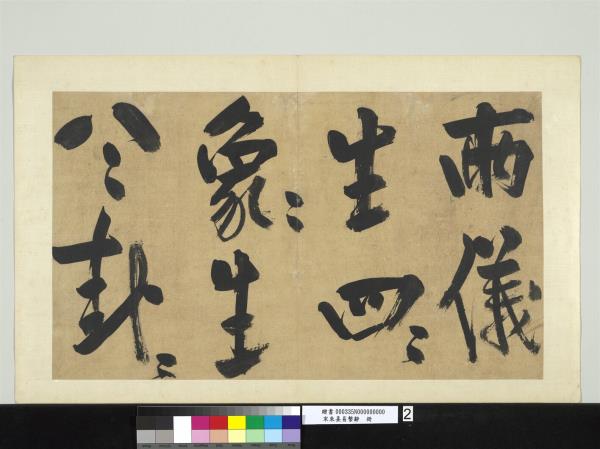
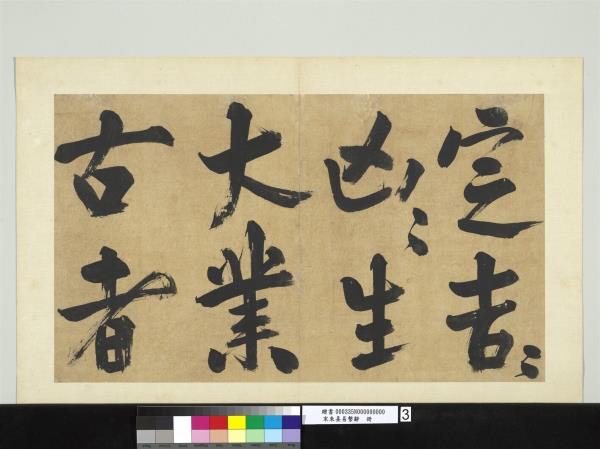
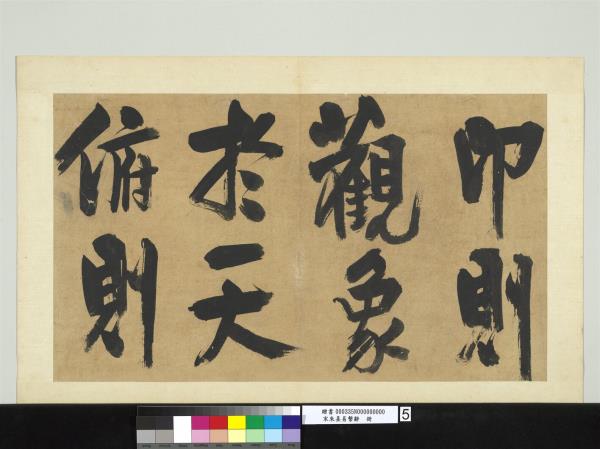
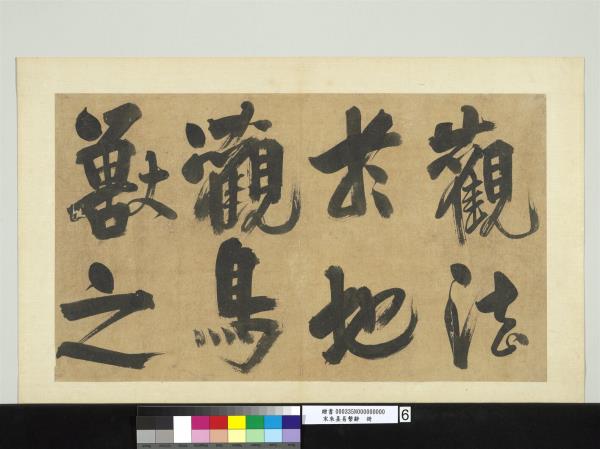
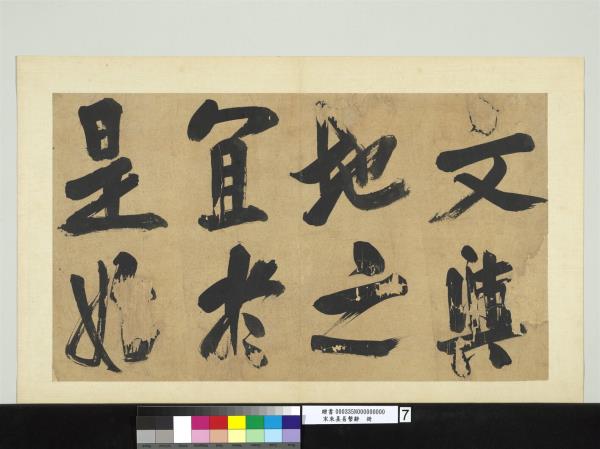
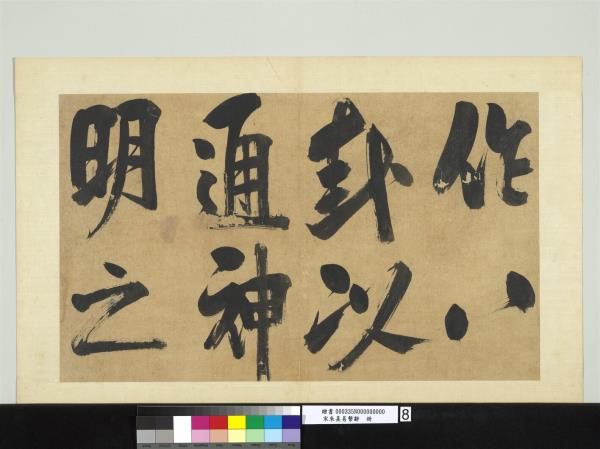
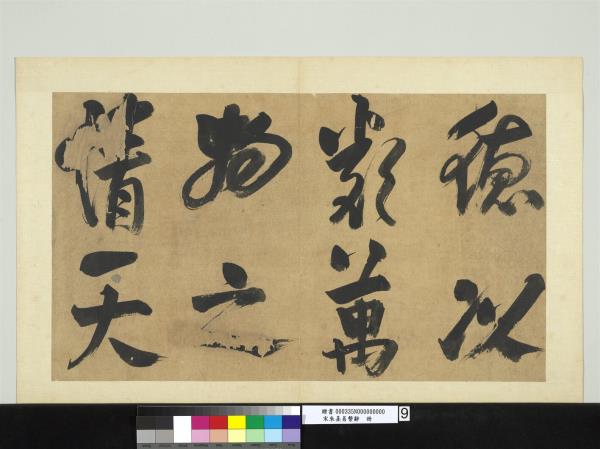
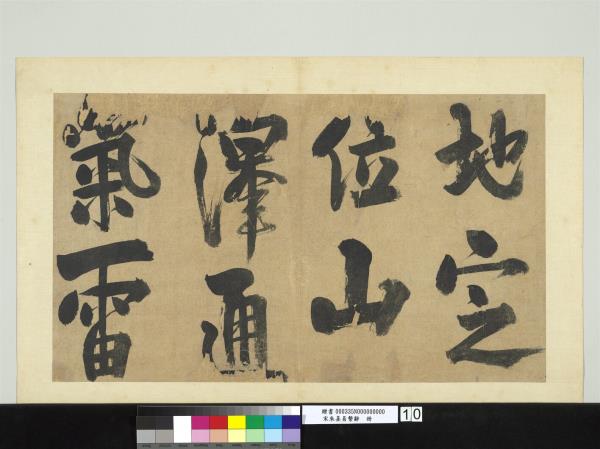
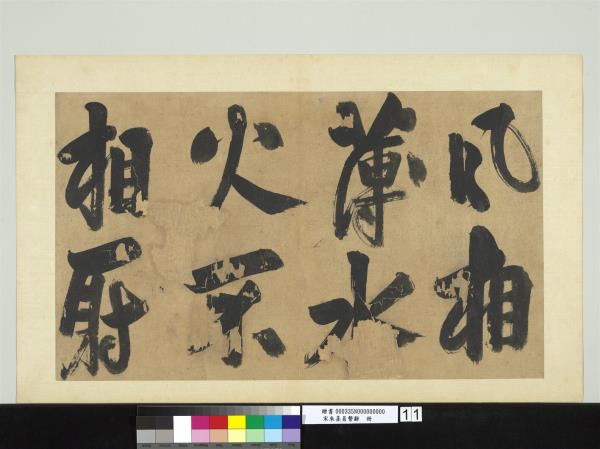
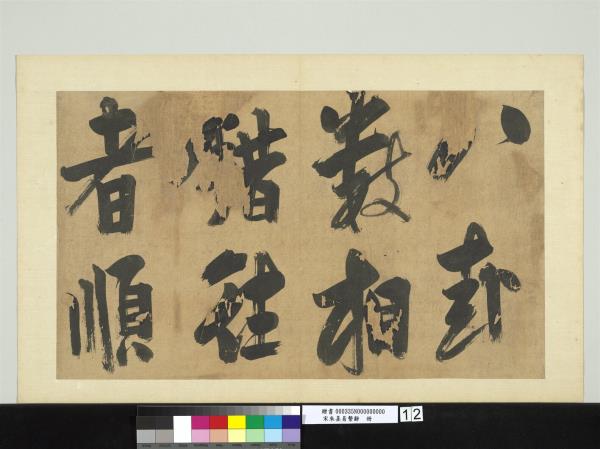
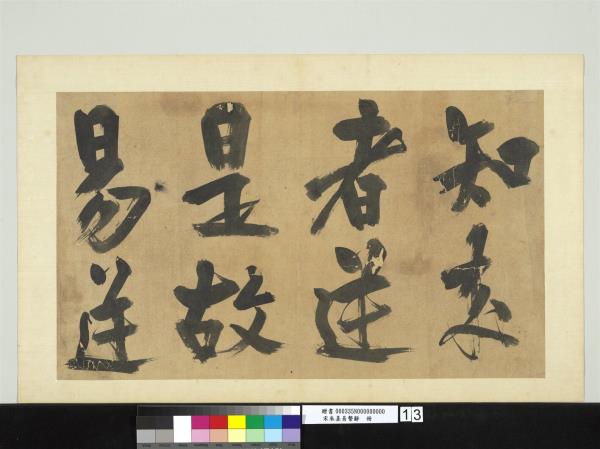
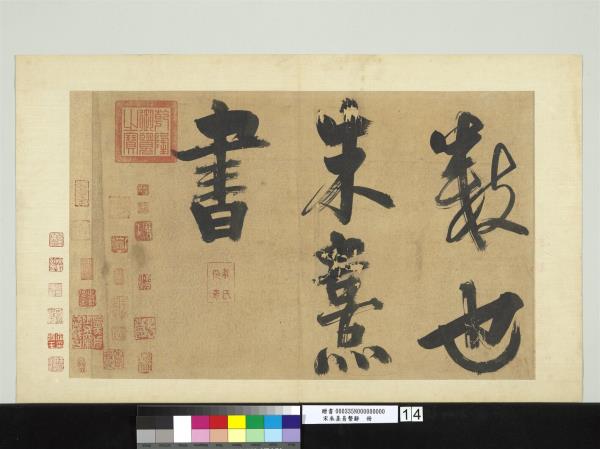
易有太極。是生兩儀。生四象。四象生八卦。八卦定吉凶。吉凶生大業。古者伏羲氏之王天下也。仰則觀象於天。俯則觀法於地。觀鳥獸之文。與地之宜。於是始作八卦以通神明之德。以類萬物之情。天地定位。山澤通氣。雷風相薄。水火不相射。八卦數相錯往者順。知來者逆。是故易逆數也。朱熹書。



| 文物統一編號 |
贈書000335N000000000
more
贈書000335N000000001
贈書000335N000000002
贈書000335N000000003
贈書000335N000000004
贈書000335N000000005
贈書000335N000000006
贈書000335N000000007
贈書000335N000000008
贈書000335N000000009
贈書000335N000000010
贈書000335N000000011
贈書000335N000000012
贈書000335N000000013
贈書000335N000000014
|
| 作品號 | 贈書00033500000 |
| 品名 |
宋朱熹易繫辭 冊 Commentary on the Book of Changes |
| 分類 | 法書 |
| 作者 | 朱熹,Zhu Xi |
| 書體 | 行楷書 |
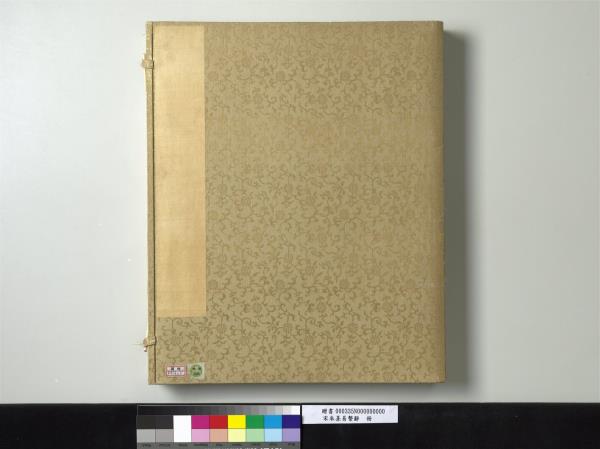
| 數量 | 一冊:十四開(本幅十四開十四幅) |
| 作品語文 | 漢文 |
| 釋文 | 易有太極。是生兩儀。生四象。四象生八卦。八卦定吉凶。吉凶生大業。古者伏羲氏之王天下也。仰則觀象於天。俯則觀法於地。觀鳥獸之文。與地之宜。於是始作八卦以通神明之德。以類萬物之情。天地定位。山澤通氣。雷風相薄。水火不相射。八卦數相錯往者順。知來者逆。是故易逆數也。朱熹書。 |
| 位置 | 尺寸(公分) |
|---|---|
| 本幅 | 36.5x61.8 |
| 全幅 | 44x71.4 |
| 質地位置 | 質地 |
|---|---|
| 本幅 | 紙 |
| 題跋類別 | 作者 | 位置 | 款識 | 書體 | 全文 | ||||
|---|---|---|---|---|---|---|---|---|---|
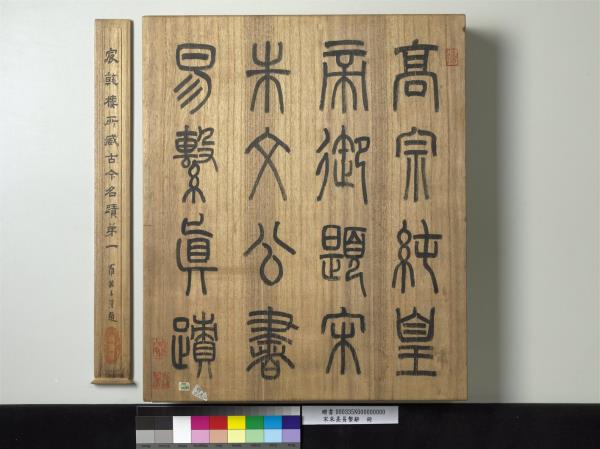
| 題跋 | 羅振玉 | 木匣 | 宸翰樓所藏古今名蹟第一。羅振玉謹題。 | 篆書 | 高宗純皇帝御題宋朱文公書易繫真蹟。宸翰樓所藏古今名蹟第一。羅振玉謹題。 | ||||
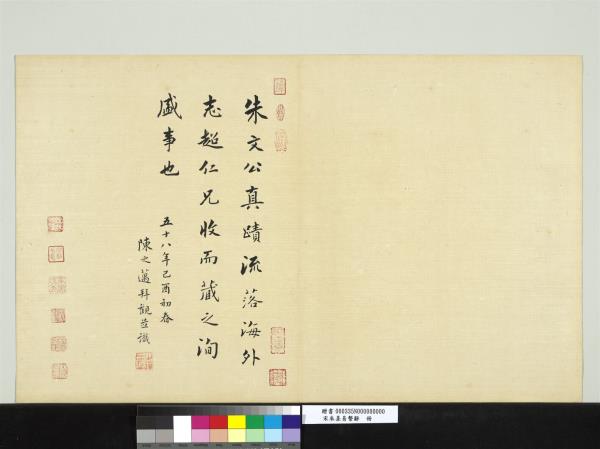
| 題跋 | 陳之邁 印記 | 幅後 | 五十八年己酉(西元一九六九年)初春陳之邁拜觀並識 | 行書 | 朱文公真蹟流落海外。志超仁兄收而藏之。洵盛事也。五十八年己酉(西元一九六九年)初春陳之邁拜觀並識。 | ||||
|
|||||||||
| 印記類別 | 印主 | 印記 |
|---|---|---|
| 收傳印記 | 弘文之印 | |
| 收傳印記 | 奕訢 | 正誼書屋珍藏圖書 |
| 收傳印記 | 吉祥居(重二) | |
| 收傳印記 | 林宗毅 | 同心之言 |
| 收傳印記 | 收付 | |
| 收傳印記 | 此外何求 | |
| 收傳印記 | 困學齋 | |
| 收傳印記 | 林宗毅 | 志超珍賞(重一) |
| 收傳印記 | 林宗毅 | 志超審定 |
| 收傳印記 | 林宗毅 | 志超審定(重二) |
| 收傳印記 | 林宗毅 | 志超墨緣 |
| 收傳印記 | 林宗毅 | 志超鑑賞 |
| 收傳印記 | 林宗毅 | 我愛吾盧 |
| 收傳印記 | 林宗毅 | 汲古書屋 |
| 收傳印記 | 林宗毅 | 來青閣(重一) |
| 收傳印記 | 林宗毅 | 宗毅私印 |
| 收傳印記 | 林宗毅 | 宗毅私印(重一) |
| 收傳印記 | 林宗毅 | 宗毅長壽 |
| 收傳印記 | 林宗毅 | 宗毅翰墨(重一) |
| 收傳印記 | 林宗毅 | 定靜 |
| 收傳印記 | 林宗毅 | 定靜堂(方印) |
| 收傳印記 | 林宗毅 | 定靜堂(長方) |
| 收傳印記 | 林宗毅 | 定靜堂(重二。圓腰) |
| 收傳印記 | 林宗毅 | 定靜堂印 |
| 收傳印記 | 林宗毅 | 定靜堂印(重一。四靈印) |
| 收傳印記 | 林宗毅 | 定靜堂收藏印 |
| 收傳印記 | 東吳生 | |
| 收傳印記 | 林宗毅 | 林宗毅印 |
| 收傳印記 | 林宗毅 | 林宗毅印(重一) |
| 收傳印記 | 林誠道 | 林誠道印 |
| 收傳印記 | 林宗毅 | 美意延年 |
| 收傳印記 | 奕訢 | 恭親王章 |
| 收傳印記 | 時甫小孫(重一) | |
| 收傳印記 | 書印 | |
| 收傳印記 | 林宗毅 | 莊敬日疆 |
| 收傳印記 | 許國 | |
| 收傳印記 | 廉夫 | |
| 收傳印記 | 林宗毅 | 臺員林氏定靜堂所藏書畫 |
| 收傳印記 | 奕訢 | 樂道堂 |
| 收傳印記 | 林宗毅 | 龍溪林氏(重一) |
| 收傳印記 | 羅振玉 | 羅振玉印 |
| 收傳印記 | 願作貞松千歲古 | |
| 作者印記 | 朱熹 | 朱氏印章 |
| 作者印記 | 朱熹 | 朱熹 |
| 鑑藏寶璽 | 清內府印 | 石渠寶笈 |
| 鑑藏寶璽 | 清高宗 | 乾隆御覽之寶 |
| 鑑藏寶璽 | 清高宗 | 御書房鑑藏寶 |
| 鑑藏寶璽 | 清仁宗 | 嘉慶御覽之寶 |
| 類別 | 參考資料 |
|---|---|
| 內容簡介 | 朱熹(西元一一三0-一二00年),江西婺源人,家福建建陽。字元晦,一字仲晦,號晦庵,又號雲谷老人,更號滄洲病叟,晚號遯翁,人稱考亭先生。工書,而不以書名,固以學掩之,然尋其書則點畫波磔,無一不合書家矩矱。本幅大字行書約五寸見方,內容為易經上之繫辭,共一百零七字,為僅見之佳作。通幅行筆迅疾,縱逸奔放,擒縱自如,氣勢雄健,神化無窮。 |
| 內容簡介 | 朱熹(1130-1200),字元晦,號晦翁、晦庵,安徽婺源人。以父親任官福建,於福建延平出生。紹興十八年(1148)進士。朱子的學術成就,尤其對四書的章句注解,成了南宋的官學,以後士子科舉必讀的書,影響至今。 本件是行楷大書,每字在五寸之上,共一百零七個字。朱熹大約於四十五歲到五十三歲之間寫成。朱熹對書法也有所講究。從朱子的楷書作品與唐虞世南<比較,筆法與結體相近。易繫辭字的結體,上重而下輕,也與虞字相近。行筆筆勢深沉而急速,時有飛白,大有快劍斫陣,筋骨突出,這也是朱熹書蹟常見的特徵。此件為林宗毅先生於民國七十五年捐贈故宮(王耀庭) |
| 內容簡介 | 朱熹(一一三0-一二00),字元晦,號晦庵,人稱考亭先生。徽州婺源(今屬江西)人,南宋哲學家。 本幅十四開,是朱熹存世僅見的大字墨蹟,所書為《易經》上的「繫辭」,共一百零七字,經元明兩代藏家之手,於清乾隆時入宮,著錄於《石渠寶笈.初編》,為流傳有緒之作品。此冊楷書為主,筆劃卻是爽快有力。墨色黝黑,非常醒目。 本冊為林宗毅先生捐贈。 |
| 內容簡介 | 朱熹(1130-1200),字元晦,號晦庵,人稱考亭先生。徽州婺源(今屬江西)人,南宋哲學家。 本幅是朱熹存世僅見的大字墨蹟,所書為《易經》上的「繫辭」,共一百零七字,經元明兩代藏家之手,於清乾隆時入宮,著錄於《石渠寶笈.初編》,為流傳有緒之作品。此冊楷書為主,筆劃卻是爽快有力。墨色黝黑,非常醒目。 林宗毅先生捐贈於民國72年。(20110204) |
| Description | Zhu Xi (style name Yuanhui, sobriquet Hui’an) was known also as “Mr. Kaoting.” A native of Wuyuan, Huizhou (now part of Jiangxi), he was a famous philosopher in the Southern Song period. This album consists of fourteen leaves and is the only surviving example of large-character calligraphy by Zhu Xi. Here, he has transcribed the “Appendix” commentary to The Book of Changes, 107 characters in all. Passing through the hands of Ming and Qing dynasty collectors, it entered the court of the Qing emperor Qianlong and was recorded in the imperial catalogue of painting and calligraphy (Treasure Chests of the Stone Moats, First Volume), demonstrating its well-documented history. Done mainly in regular script, the brush strokes here are quick and powerful while the ink dark and eye-catching. Mr. Lin Tsung-yi donated this work to the National Palace Museum in 1983.(20110204) |
| Description | Commentary to The Book of Changes Chu Hsi (1130-1200) Sung Dynasty Chu Hsi (style name Yuan-hui, sobriquet Hui-an) was known also as Mr. K’ao-t’ing. A native of Wu-yuan, Hui-chou (now part of Kiangsi), he was a famous Southern Sung philosopher. This album donated by Mr. Lin Tsung-i consists of 14 leaves and is the only surviving example of large-character calligraphy by Chu Hsi. Here, he has transcribed the “Appendix” commentary to The Book of Changes, 107 characters in all. Passing through the hands of Ming and Ch’ing collectors, it entered the court of the Ch’ing emperor Ch’ien-lung and was recorded in the imperial catalogue of painting and calligraphy, making for a well-documented history. Mainly in regular script, the brush strokes are quick and powerful while the ink dark and eye-catching. |
| Description | Chu Hsi was native of Wu-yuan, Kiangsi and lived in Fu-yang, Fukien. His style names were Yuan-hui and Chung-hui, and his sobriquets were Hui-an, Yun-ku lao-jen and Ts'ang-chou ping-sou. He was later known as Tun-weng and others called him K'ao-ting hsien—sheng. Although Chu was a skilled calligrapher, his fame in calligraphy was overshadowed by his distinction as a great scholar. If one examines his calligraphy, however, there is not one stroke that does not adhere to calligraphic rules. The Hsi-tz'u chapter of the I-ching (Book of Changes) has been written with large characters in the semi-cursive script on this scrol1. There are a total of 107 characters in this rare masterwork. The semi-cursive script of this scroll is swift and unrestrained and makes pauses and flows freely. The writing possesses a vehement force and an inexhaustible spirit. |
| 收藏著錄 | 故宮受贈文物選萃,頁59-63、154-155 |
| 收藏著錄 | 林宗毅先生捐贈書畫目錄,頁1-9、111 |
| 參考書目 | 1.江兆申,〈朱晦翁書易繫辭〉,《故宮文物月刊》,第39期(1986年6月),頁64-73。 2.王耀庭,〈宋朱熹書易繫辭〉,《故宮文物月刊》,第200期(1999年11月),頁64。 3.王耀庭,〈「天子之寶 — 台北國立故宮博物院的收藏」展品系列(五) — 書法、圖書文獻〉,《故宮文物月刊》,第248期(2003年11月),頁12。 4.朱惠良,〈朱子書法新探 書易繫辭〉,《故宮文物月刊》,第337期(2011年4月),頁34-47。 |
| 參考書目 | 何炎泉,〈宋朱熹易繫辭 冊〉,收入宋兆霖主編《天保九如-九十年來新增文物選粹》(臺北:國立故宮博物院,2015.10),頁246-251。 |
100萬像素圖檔下載
600萬像素圖檔下載